
Will acrylic dust covers scratch or turn yellow easily? Maintenance & Bonding Guidelines
Many customers who customize acrylic dust covers are most concerned about two issues: whether acrylic scratches easily and if it will turn yellow over time. Simply put, ordinary acrylic is prone to scratches and aging yellowing with improper use. However, high-quality acrylic made from virgin material can greatly slow down such issues and stay transparent with proper material selection and routine maintenance.
First, yellowing mainly relates to raw materials and service environment. Acrylic sheets made from recycled or reprocessed materials contain many impurities. They tend to turn yellow and fog quickly under ultraviolet light or high temperatures. Virgin high-transparency PMMA offers better UV resistance. It can stay free from obvious yellowing for years when used indoors away from direct sunlight. Even virgin acrylic will age faster and gradually discolor if exposed to outdoor sunshine, high-temperature light sources or oily workshop fumes for a long time.
Next about scratches. Acrylic is much softer than glass, with a Mohs hardness of only 2–3. It gets scratched easily when rubbed by hard objects. Scratches can be left by metal tools, sandpaper or coarse cleaning cloths. In contrast, gentle wiping with soft microfiber cloth helps avoid artificial scratches. Acrylic with a surface hard coating delivers much better scratch resistance, ideal for factories and equipment where bumps are common.
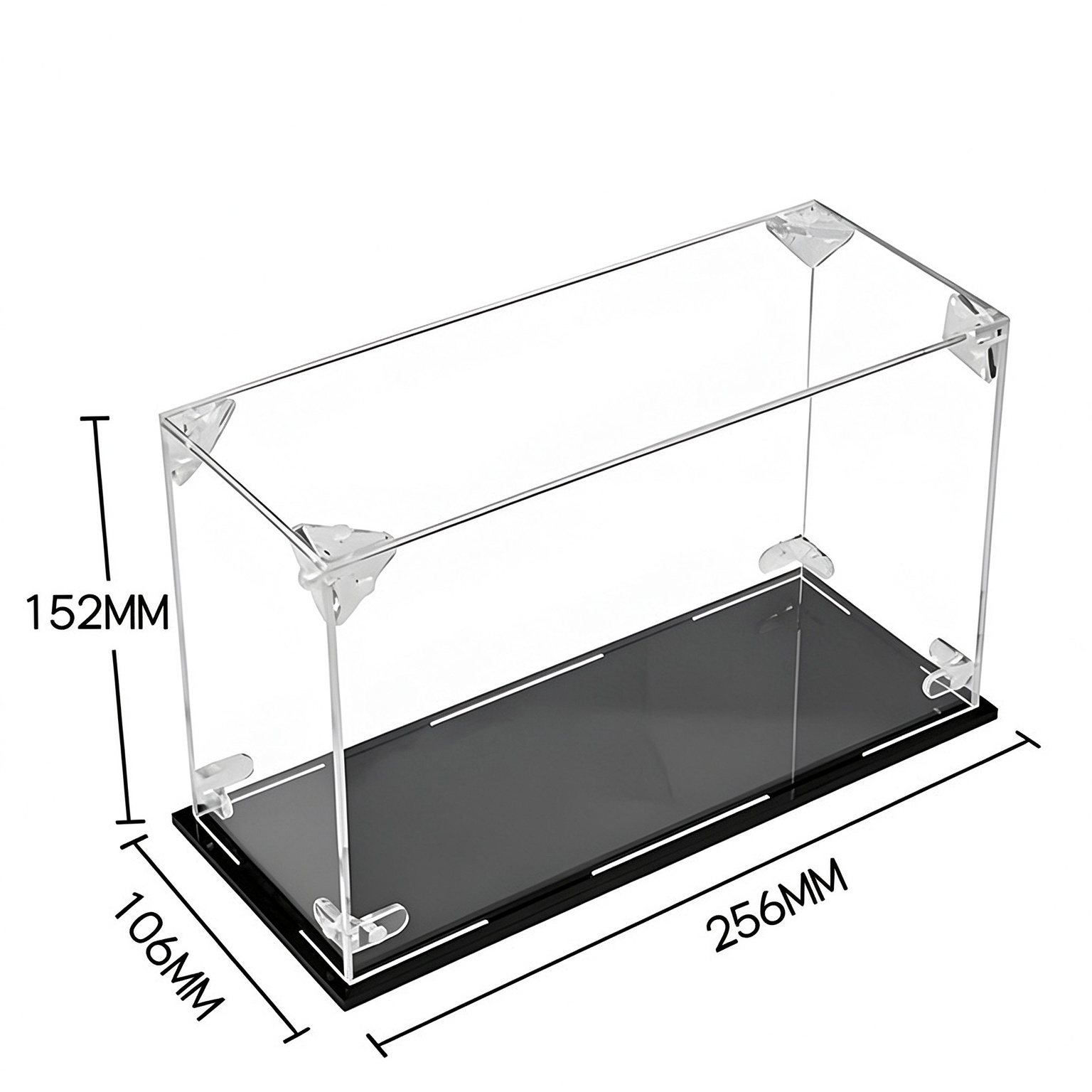
Here are key maintenance tips. Clean the cover with clean water and microfiber dust-free cloth. A small amount of neutral detergent can be used for oil stains. Rinse and wipe gently in one direction. Never use steel wool, scouring pads, alcohol, thinner or acetone. Strong solvents will erode the surface and cause whitening or cracks. Keep sharp items away from the surface. Always use protective films when stacking. If placed near windows or UV lamps, choose UV-resistant acrylic sheets to delay yellowing.
Bonding is a critical step in acrylic fabrication, which decides the strength and appearance of finished products. Use special PMMA acrylic adhesive instead of instant 502 glue. 502 glue is brittle, prone to whitening and fogging, cracks easily under stress and corrodes the sheet. Before bonding, polish the joint surfaces flat and remove dust and grease for tight fitting. Apply adhesive evenly. Excess glue will overflow and leave hazy marks on the panel. Let it cure naturally without moving or loading the workpiece prematurely. Slow-setting non-fogging adhesive is recommended for invisible seams, perfect for display and equipment dust covers with strict appearance requirements.
All in all, acrylic dust covers are lighter and more flexible than glass, and support custom irregular sizes, making them a top choice for instrument and equipment dust prevention. Choosing virgin or hard-coated UV-resistant sheets, together with correct cleaning and standard bonding practices, effectively avoids scratching and yellowing, balancing great light transmission and service life.
 No agent has been added~